
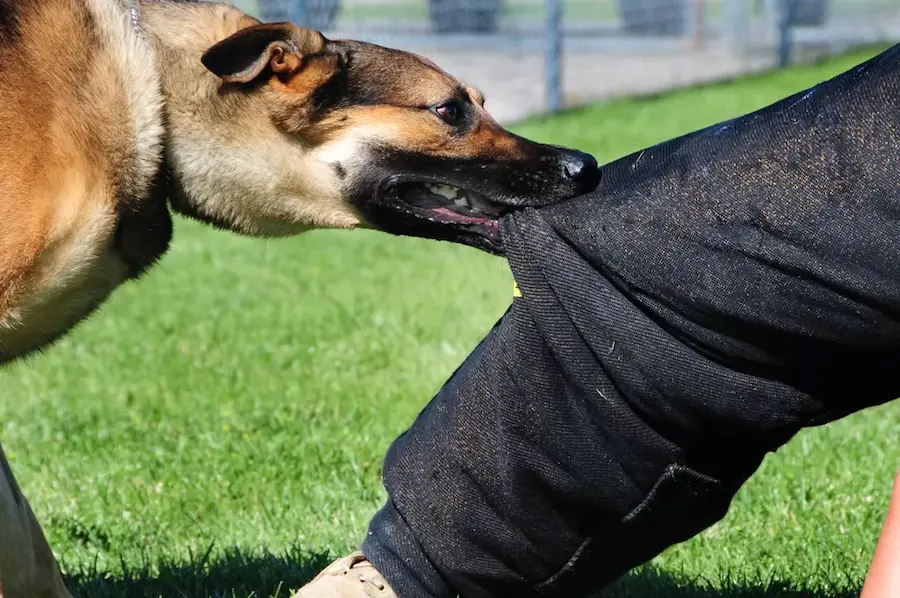
Dog bites are more common than many people realize. Across the country, millions of incidents are reported every year, and a significant number require medical attention. These attacks can leave lasting scars — physically, emotionally, and financially. Victims often struggle with more than just the immediate pain; they may face mounting medical bills, missed work, and anxiety around animals.
In New Jersey, the law recognizes these challenges by providing strong protections for victims of dog bites. However, successfully navigating these laws requires more than just a surface-level understanding. This article explores the rules, responsibilities, and remedies available under New Jersey’s dog bite laws, while also examining the vital role a New Jersey dog bite lawyer plays in ensuring victims are fairly compensated.
Table of Contents
The Scope of Dog Bite Incidents
Dog bite injuries can range from small punctures to catastrophic wounds requiring extensive surgery. While dogs are often cherished companions, even the friendliest animal can lash out unexpectedly, especially under stress or provocation. These incidents frequently leave victims not only with physical pain but also with lingering psychological trauma.
Children are particularly vulnerable. Their smaller size makes injuries more severe, and their limited understanding of canine behavior means they may unknowingly provoke an attack. According to the Centers for Disease Control and Prevention (CDC), about 4.5 million people in the U.S. are bitten each year, and nearly 1 in 5 of those bites becomes infected (CDC). These statistics highlight why clear legal protections are necessary for victims.
Strict Liability in New Jersey Dog Bite Cases
Unlike states that follow the “one-bite rule,” where an owner is only liable if their dog has shown prior aggression, New Jersey enforces strict liability for dog bites. This means a victim does not need to prove negligence or prior knowledge of dangerous behavior to succeed in a claim.
Instead, the law focuses on the circumstances of the bite: Was the victim legally present? Was the attack unprovoked? If the answers favor the victim, the owner is held liable. This standard simplifies claims but does not eliminate the need for strong legal representation, as owners and insurers often look for ways to dispute responsibility.
Who May Be Held Responsible?
When a dog bite occurs, most people assume the dog’s owner is automatically responsible. While that is true in many cases, liability can sometimes extend to others depending on the situation. For example, a person temporarily in control of the dog may also be held accountable for the attack.
Identifying all potentially liable parties can strengthen a victim’s case. In some situations, landlords or property managers may bear partial responsibility, especially if they knowingly allowed a dangerous animal on the premises. Broadening the scope of liability helps ensure victims have multiple avenues for recovering compensation.
- Dog owner — The primary party under New Jersey’s strict liability law.
- Dog walker or handler — If they had control at the time of the attack.
- Landlord or property manager — If they permitted a known dangerous dog on the property.
- Caretaker or family member — If they assumed control over the dog during the incident.
What to Do Immediately After a Dog Bite
The steps taken immediately after a dog bite are crucial not just for health but also for building a strong legal case. Many victims understandably focus on their injuries in the moment, but documenting evidence and reporting the incident can make a significant difference later.
Acting quickly ensures the injury is properly treated, while also creating a clear record of the event. These records — medical documents, photos, and witness accounts — are vital pieces of evidence if the case proceeds to an insurance claim or lawsuit.
- Seek medical attention immediately — Even minor wounds can lead to infections.
- Identify the dog and owner — Gather contact and vaccination information.
- Report the incident — File a report with local police or animal control.
- Document the scene — Take photos of injuries, the location, and the dog itself.
- Collect witness information — Statements from bystanders can support your account.
- Avoid early statements to insurers — Insurance adjusters may downplay your injuries.
Damages Available to Dog Bite Victims
The financial and emotional toll of a dog bite can extend far beyond the initial injury. Medical expenses, lost wages, and the emotional burden of trauma all weigh heavily on victims. In recognition of these hardships, New Jersey law allows for the recovery of both economic and non-economic damages.
Economic damages cover the tangible costs of an injury, such as hospital bills and lost earnings. Non-economic damages are more subjective but equally important, accounting for pain, suffering, and the long-term impact of scarring or disability. Together, these categories aim to make victims whole again after an attack.
Economic Damages
- Medical expenses (surgeries, hospital care, therapy)
- Lost wages and reduced earning potential
- Future medical costs and rehabilitation
- Counseling or psychological treatment
Non-Economic Damages
- Pain and suffering
- Emotional distress and trauma
- Scarring and disfigurement
- Loss of enjoyment of life
Comparative Fault: When Victims Share Responsibility
Although strict liability favors victims, New Jersey law also recognizes comparative negligence. This means if a victim contributed to the incident — for example, by provoking the dog — their compensation can be reduced in proportion to their level of fault.
This rule prevents unfair outcomes, such as rewarding someone who deliberately antagonized a dog. However, it also gives insurers an incentive to argue that the victim bears some responsibility. Having a skilled attorney ensures that these claims are fairly evaluated and not exaggerated to reduce compensation.
The Role of a New Jersey Dog Bite Lawyer
At first glance, dog bite cases in New Jersey may seem simple because of the strict liability standard. But in practice, these cases involve nuanced legal arguments, extensive evidence gathering, and negotiations with insurance companies that are motivated to minimize payouts.
A New Jersey dog bite lawyer helps level the playing field. From investigating the attack to presenting expert testimony, a lawyer builds a case that accurately reflects the full scope of the victim’s losses. Without such support, victims risk settling for far less than they deserve.
Choosing the Right Lawyer
Not all attorneys are equally equipped to handle dog bite cases. Because these cases involve both medical and legal complexities, selecting an attorney with the right experience is essential. Victims should look beyond advertisements and carefully evaluate potential legal representation.
Key considerations include the lawyer’s track record, familiarity with New Jersey’s legal system, and ability to communicate clearly. Many attorneys offer free consultations, giving victims a chance to ask questions before making a decision.
- Experience in dog bite and personal injury law
- History of settlements and verdicts in similar cases
- Local knowledge of New Jersey courts and procedures
- Clear communication and accessibility
- Contingency fee structure — no payment unless the case is won
What to Expect in the Legal Process
The legal journey after a dog bite often feels overwhelming to victims already coping with injuries and stress. Understanding the process in advance helps manage expectations and reduces anxiety.
Most cases begin with negotiations and settle before trial. However, some proceed to court, where evidence is presented to a judge or jury. Throughout this process, an attorney guides victims, ensuring deadlines are met and opportunities for fair settlement are pursued.
- Consultation and evaluation — Reviewing facts, injuries, and legal viability.
- Investigation — Gathering evidence, medical records, and witness statements.
- Negotiation — Sending demand letters and seeking fair settlement.
- Filing a lawsuit — If settlement is not possible, filing before the statute of limitations.
- Discovery — Exchanging documents, depositions, and expert reports.
- Mediation or settlement talks — Attempting to resolve before trial.
- Trial — Presenting evidence before a judge or jury if necessary.
Common Misconceptions About Dog Bite Cases
Misunderstandings about dog bite law often discourage victims from pursuing valid claims. These misconceptions can leave people without compensation for injuries that significantly impact their lives.
By clarifying the facts, victims can better understand their rights and avoid being misled by insurance companies or hearsay. In New Jersey, the law is designed to protect victims, but only if they act within their rights and time limits.
- “The dog never bit before, so I can’t sue.” False — liability applies even if it’s the first bite.
- “Only severe injuries count.” False — even minor bites can result in medical and emotional damages.
- “I was on private property, so I can’t claim damages.” False — if you were lawfully there, you can still recover compensation.
Final Thoughts
Dog bites can have devastating consequences that ripple through a victim’s life. From physical injuries to emotional scars, the burden can feel overwhelming. Fortunately, New Jersey law provides strong protections for victims and a pathway to recovery.
While strict liability makes claims more straightforward than in other states, having a knowledgeable New Jersey dog bite lawyer ensures that victims maximize their chances of fair compensation. With the right support, victims can focus on healing while their legal advocate handles the complexities of the case.