
When you customize a new sports car, choosing the right paint color is one of the most important decisions you will make. Among the various color options offered by Porsche, Chalk has established itself as one of the most popular and modern shades available today.
Known as Crayon in the United Kingdom and Kreide in Germany, this light-grey solid paint offers a clean, sophisticated look that stands out from standard black and white. This guide covers the history of the color, its official paint code, how it reacts to different lighting, and how it compares to vinyl wraps.
Table of Contents
What Color Is Chalk on a Porsche?
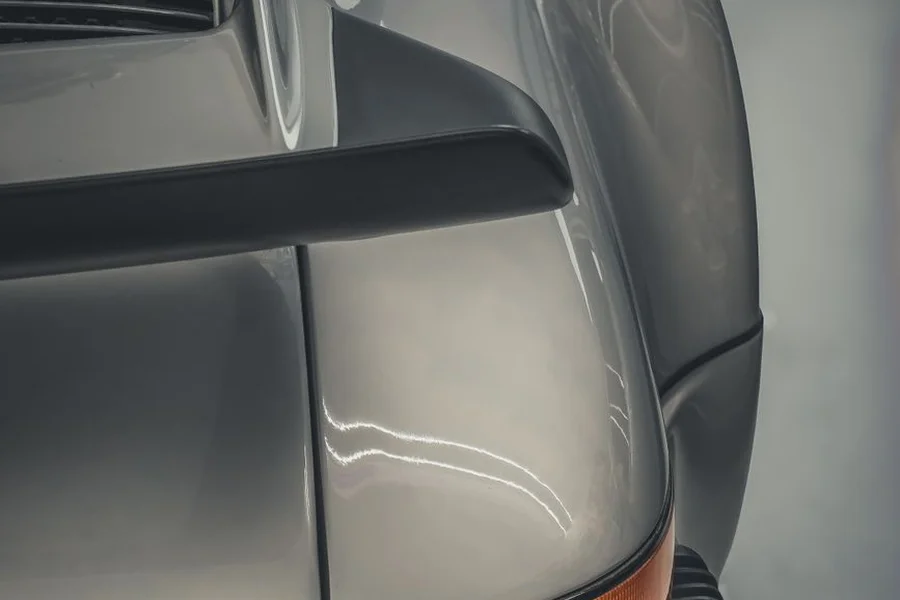
Chalk is a non-metallic, solid light-grey paint color that features subtle warm undertones, giving it a soft, chalk-like appearance rather than a cold, industrial look. First introduced on the 911 and Panamera models around 2017, the color has since expanded across the entire Porsche lineup.
Under the official paint code M9A (also listed as LM9A or 3H), Chalk is categorized as a special color option. It is a solid paint, which means it does not contain metallic flakes or pearlescent particles. This solid finish provides a flat, glassy surface that emphasizes the design lines of the car.
The choice of exterior paint color is an essential part of a vehicle’s overall design aesthetic, much like color trends in modern architecture. If you look at current design trends, neutral earth tones and soft greys are highly popular because they offer a clean, premium feel without being overly flashy.
How Does Light Affect the Chalk Color?
Light affects the Chalk color by changing its perceived shade from a bright, near-white grey under direct sunlight to a deeper, warm grey with concrete-like undertones on cloudy days. This shifting quality is the main reason why many buyers choose this paint.
Because the paint lacks metallic flakes, its appearance relies entirely on the quality and angle of the light hitting the body panels:
- Direct Sunlight: In bright midday sun, the color washes out slightly, appearing as a clean, off-white shade that looks very bright on the road.
- Overcast Skies: On cloudy days, the grey tones become much more prominent, making the vehicle look like solid clay or wet cement.
- Sunset and Artificial Light: Under warm evening light or yellow garage lamps, Chalk absorbs the warm tones, taking on a slight beige or sand-colored hue.
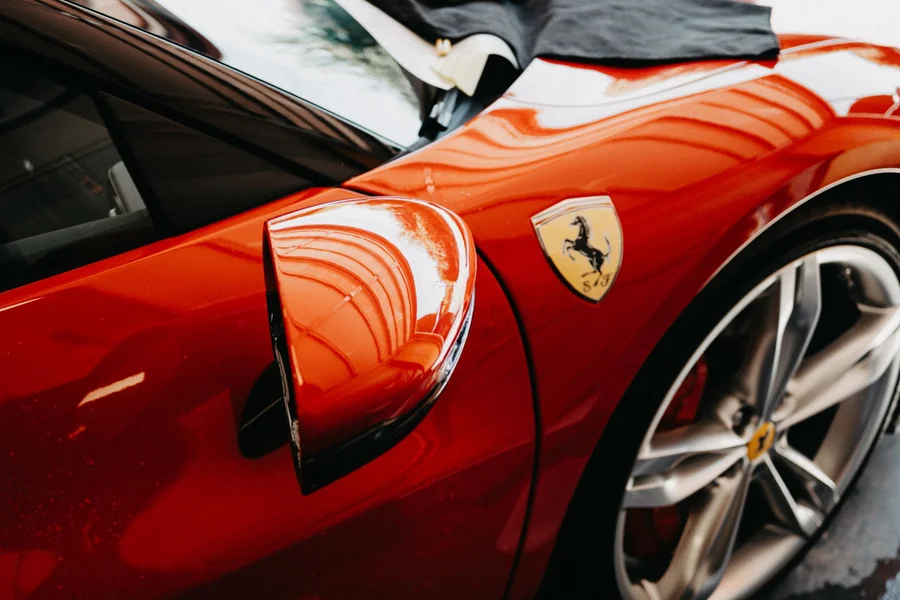
From what we’ve seen on community forums like Rennlist, owners highly recommend viewing the color in person before placing an order. A color swatch on a computer screen cannot capture how the paint shifts under natural outdoor conditions.
Why Is Porsche Chalk Paint So Popular?
Porsche Chalk paint is popular because it offers a modern alternative to traditional metallic greys while paying tribute to classic historical Porsche colors like Fashion Grey and Heron Grey. It provides a stealthy, high-end look that highlights black exterior accents.
When you pair Chalk paint with black wheels, black window trim, and dark window tints, the contrast makes the light-grey paint look even brighter. It is a highly versatile shade that looks just as good on a compact Cayman as it does on a large Cayenne SUV. You can view how the color looks on different models using the official configurator on the Porsche website.
High-performance cars that feature premium paint options often require matching mechanical upgrades to handle their speed. If you drive a fast sports car, keeping your stopping power in peak condition is vital. Understanding the components of your car braking systems ensures your vehicle stops safely, especially when pushing a sports car on winding mountain roads.
Should You Paint or Wrap Your Car in Chalk?
You should choose factory Chalk paint if you want maximum depth and permanent durability, but a high-quality vinyl wrap is the better option if you want to protect your original paint or try the color on a different car brand. Vinyl wraps offer a temporary look at a lower price point than a full professional respray.
Imagine you own a black sports car but want the Chalk aesthetic. Getting a professional quality respray in paint code M9A can cost anywhere from $8,000 to $15,000. In contrast, a premium vinyl wrap usually costs between $3,000 and $5,000, and it can be peeled off when you are ready to sell the vehicle.
One common pitfall when wrapping a car in a light-grey vinyl is failing to cover the door jambs and inner trunk edges. If your car’s original color is bright red or black, a thin strip of paint will show every time you open the door. We recommend paying the extra cost to have the installer wrap the inner jambs for a clean factory appearance.
We prefer factory paint because it retains its shine for decades with proper washing and ceramic coating. Vinyl wraps typically last only three to five years before they start to fade or peel at the edges under direct sun exposure.
Frequently Asked Questions About Chalk Porsche
Is Chalk a metallic paint color?
No, Chalk is a solid, non-metallic paint color. It does not contain any metallic flakes, glitter, or pearlescent particles, resulting in a flat and clean finish.
How much does the Chalk paint option cost?
On new models, Porsche lists Chalk as a special color option, which typically adds around $3,000 to $4,000 to the base price of the build.
What is the difference between Chalk and Crayon?
There is no difference in the actual paint formula. Porsche uses the name Chalk in North America, while the same color is sold under the name Crayon in European and UK markets.
What is the official paint code for Porsche Chalk?
The official manufacturer paint code for Chalk is M9A (also referred to as LM9A or 3H for ordering touch-up kits).
Does Chalk paint hide dirt and scratches well?
Yes, Chalk hides light dust and minor surface scratches much better than dark colors like black or dark blue. However, it still requires regular hand washes to keep the solid paint looking its best.

Written by Rosella
Rosella is a self-taught digital creator with a passion for breaking down tech, lifestyle, and everyday topics into simple, easy-to-understand content. Based in Youngstown, Ohio, she brings a curious, multi-disciplinary approach to writing, covering everything from the latest tech trends to practical life hacks and personal growth insights.
Her goal is straightforward: take complicated ideas and explain them in a way that actually makes sense, so every reader, whether a total beginner or someone more experienced, walks away having learned something useful. When she’s not writing, you’ll usually find her exploring new tools, sharpening her skills, or spending time with family.
Through this blog, Rosella aims to build a community centered on real, actionable insights rather than fluff, jargon, or filler content.