

Mowing several acres of bumpy grass on a standard zero-turn rider can leave your back aching for days. Traditional commercial mowers use rigid steel frames that transfer every rut, ditch, and molehill straight into the operator seat. The ferris is 600 zero turn mower, also known as the Ferris IS600Z, was designed specifically to fix that problem by bringing independent four-wheel suspension to a compact, entry-level commercial chassis.
Whether you manage a large residential acreage or operate a growing environment company, choosing the right mower determines how fast you finish your workday. In this detailed review, we break down the engine choices, deck options, transmission durability, real-world ride quality, and maintenance upkeep for the Ferris IS 600 series.
Table of Contents
What Is the Ferris IS 600 Zero Turn Mower?
The ferris is 600 zero turn mower is a compact commercial-grade riding lawn mower engineered with patented four-wheel coil-over-shock suspension. It features professional Hydro-Gear ZT-3200 transaxles, commercial engine options, and fabricated 10-gauge steel cutting decks in 44-inch, 48-inch, and 52-inch widths.
Unlike light residential mowers sold at home improvement centers, the IS 600 bridges the gap between homeowner comfort and commercial durability. The machine is compact enough to fit through standard residential gates and trailer gates, yet tough enough to run full workdays without overheating.
At the center of its reputation is the Ferris suspension system. The front end uses an independent pivoting axle with shock dampeners, while the rear features a heavy swing arm controlled by adjustable coil-over shocks. This setup lets each wheel move up and down over rough soil independently, keeping the cutting deck level and protecting the driver from violent jolts.
What Are the Key Specifications and Features of the IS 600?
The Ferris IS 600 comes equipped with either a Briggs & Stratton Commercial Series or Kawasaki V-twin engine, dual Hydro-Gear ZT-3200 hydrostatic transaxles, a top forward speed of 10 miles per hour, and a 5.5-gallon fuel tank.
Looking under the hood reveals components usually reserved for larger, high-cost commercial machines. The dual hydrostatic transaxles include individual 7-inch cooling fans that prevent fluid breakdown during hot summer afternoons. The cutting height adjusts easily from 1.5 inches to 4.5 inches in precise quarter-inch steps using a foot-operated pedal.
| Specification | Details and Measurements |
|---|---|
| Engine Options | Briggs & Stratton Commercial 25 HP (724cc) or Kawasaki FS Series V-Twin |
| Transaxles | Dual commercial Hydro-Gear ZT-3200 with 7-inch cooling fans |
| Deck Widths | 44-inch, 48-inch, and 52-inch fabricated 10-gauge steel decks |
| Ground Speed | Up to 10 mph forward (48″/52″ decks), up to 5 mph reverse |
| Fuel Tank Capacity | 5.5 gallons with large fill neck and fuel gauge |
| Suspension System | Front independent pivoting shocks with rear adjustable coil-over shocks |
| Spindles | Cast-aluminum greaseable spindles with 1-inch shafts and dual ball bearings |
| Warranty | 4-year / 500-hour overall warranty; 5-year unlimited-hour suspension warranty |
Much like how drivers research suspension upgrades and rough terrain travel, having responsive shocks on a mower preserves both the machine frame and the operator body over thousands of operating hours.
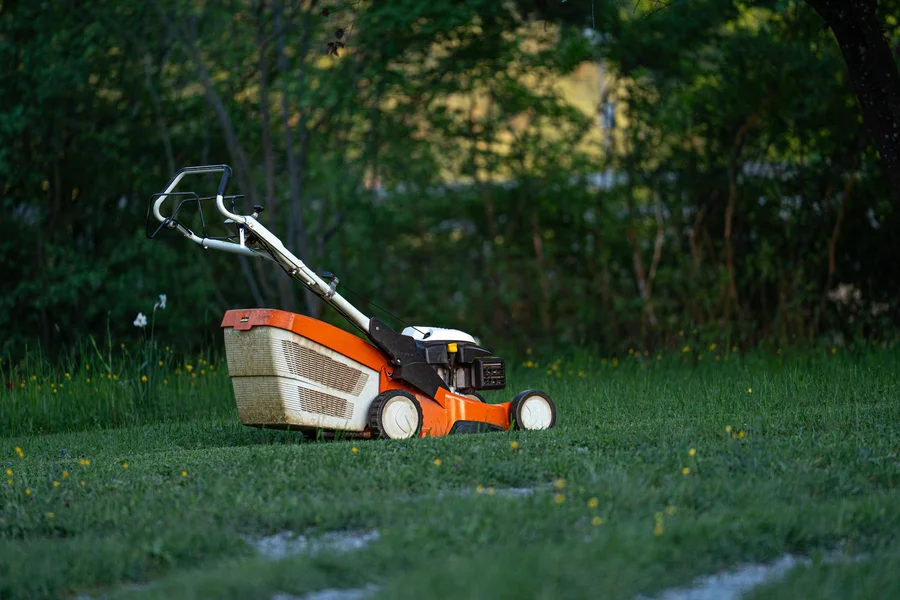
How Does the Ferris Patented Suspension System Work?
The patented Ferris suspension system isolates the chassis from ground impacts through front swing arms and rear coil-over shocks, allowing the drive wheels to follow ground contours while the operator seat and cutting deck remain steady.
On a traditional rigid zero-turn mower, hitting a hole lifts an entire side of the mower off the grass. This sudden bounce forces the cutting deck down into the lawn on the opposite side, leaving unsightly scalped turf circles. It also jars the operator spine, forcing drivers to slow down to crawling speeds on uneven land.
With the ferris is 600 zero turn mower, the wheels absorb the shock instead of your lumbar spine. Because the tires stay pressed firmly against the soil, you maintain traction on gentle slopes and ditch banks. You can mow at higher ground speeds comfortably, cutting total lawn maintenance time down significantly.
What Are the Benefits and Drawbacks of the Ferris IS 600?
The primary advantages include class-leading operator comfort, commercial build strength, fast ground speeds, and dependable Hydro-Gear transmissions. The main downsides are a higher price tag than residential units and added curb weight that requires gentle turning on wet soil.
No piece of lawn equipment fits every property perfectly. Evaluating both the strong points and the limitations helps buyers choose the right deck size and model.
Major Advantages
- Reduced Physical Strain: The coil-over shocks absorb jolts, allowing operators to complete four or five hours of continuous mowing without back stiffness.
- True Commercial Transaxles: The Hydro-Gear commercial drive systems are fully serviceable with spin-on oil filters and steel cut gears, unlike sealed residential gearboxes that wear out quickly.
- Long Suspension Warranty: Ferris backs the coil-over-shock components with a five-year unlimited-hours warranty.
- Compact Footprint: The 44-inch and 48-inch models easily fit inside six-foot utility trailers and slip through backyard gates near outdoor property installations and garden sheds.
Key Limitations
- Heavier Overall Weight: The heavy-gauge steel frame and suspension assemblies push the total mower weight above 850 pounds, meaning careless turns on damp grass can scuff delicate turf.
- Higher Upfront Investment: New units typically retail between $6,500 and $7,800 depending on deck width and engine package.
- Regular Grease Points: Maintaining the suspension pivots and deck spindles requires periodic grease gun service to keep all moving joints working smoothly.
How Does the Cut Quality Compare on Rough Lawns?
The IS 600 delivers a clean, golf-course-style finish because the floating deck and active suspension prevent turf scalping across ruts, mounds, and drainage slopes.
The mower uses the proprietary iCD cutting system on select deck trims. This deck design incorporates a wide discharge opening, sloped front bumper, and deep air chamber that lifts grass blades upright before the hardened steel blades strike them. Grass clippings disperse evenly across the lawn rather than clumping in wet rows.
Reviewing guidelines from the Purdue University turfgrass extension service confirms that maintaining sharp mower blades and consistent cutting height prevents lawn fungal infections and brown leaf tips.
What Routine Maintenance Does the Ferris IS 600 Require?
Routine upkeep includes changing the engine oil every 50 to 100 hours, checking hydrostatic fluid levels, greasing suspension pivot zerks every 25 hours, and cleaning the air filter regularly.
To keep the IS 600 running smoothly for decades, follow a simple seasonal maintenance checklist:
- Engine Oil: Change the oil and filter after the first 20 break-in hours, then every 100 operating hours thereafter using recommended 10W-30 or synthetic 15W-50 oil.
- Grease Zerks: Use quality lithium grease on front caster spindles, deck lift pivots, and suspension arm bushings every 25 hours.
- Air Intake: Clear grass debris away from the engine cooling shroud and clean the dual-element air filter after dusty mowing sessions.
- Blade Inspection: Sharpen cutting blades every 15 to 20 mowing hours to maintain clean grass cuts without fraying the blades.
Frequently Asked Questions About the Ferris IS 600
Can the Ferris IS 600 handle steep hills safely?
Yes, the wide stance, low center of gravity, and commercial drive tires give the mower strong traction on slopes up to 15 degrees. Always mow up and down hills rather than sideways to maintain full steering control.
Which engine option is better: Kawasaki or Briggs Commercial?
Both engine platforms offer strong commercial reliability. The Kawasaki FS engine is praised for ultra-smooth operation and quiet idle, while the Briggs & Stratton Commercial Series offers high torque and readily available replacement parts at local lawn shops.
Can I fit a 48-inch Ferris IS 600 through a standard five-foot gate?
Yes, with the side discharge chute folded upward, a 48-inch deck measures roughly 50 to 52 inches wide, allowing it to clear standard 60-inch residential fences and trailer openings with ease.
How often should the hydrostatic transmission fluid be changed?
The Hydro-Gear ZT-3200 transaxles require their first oil and filter change at 100 hours, and subsequent service every 400 operating hours using approved synthetic motor oil.
Does the Ferris IS 600 come with a roll-over protection system (ROPS)?
Yes, standard commercial models come factory-equipped with a certified foldable roll bar (ROPS) and a retractable seat belt for operator safety.
Final Verdict: Is the Ferris IS 600 Worth It?
The ferris is 600 zero turn mower remains one of the smartest investments on the outdoor equipment market for property owners with uneven land and landscapers seeking a compact commercial rig. Its combination of rugged Hydro-Gear transaxles, heavy fabricated steel, and game-changing coil-over suspension delivers unmatched ride comfort, protecting your lawn and your physical health for years of reliable service.

Written by Rosella
Rosella is a self-taught digital creator with a passion for breaking down tech, lifestyle, and everyday topics into simple, easy-to-understand content. Based in Youngstown, Ohio, she brings a curious, multi-disciplinary approach to writing, covering everything from the latest tech trends to practical life hacks and personal growth insights.
Her goal is straightforward: take complicated ideas and explain them in a way that actually makes sense, so every reader, whether a total beginner or someone more experienced, walks away having learned something useful. When she’s not writing, you’ll usually find her exploring new tools, sharpening her skills, or spending time with family.
Through this blog, Rosella aims to build a community centered on real, actionable insights rather than fluff, jargon, or filler content.