
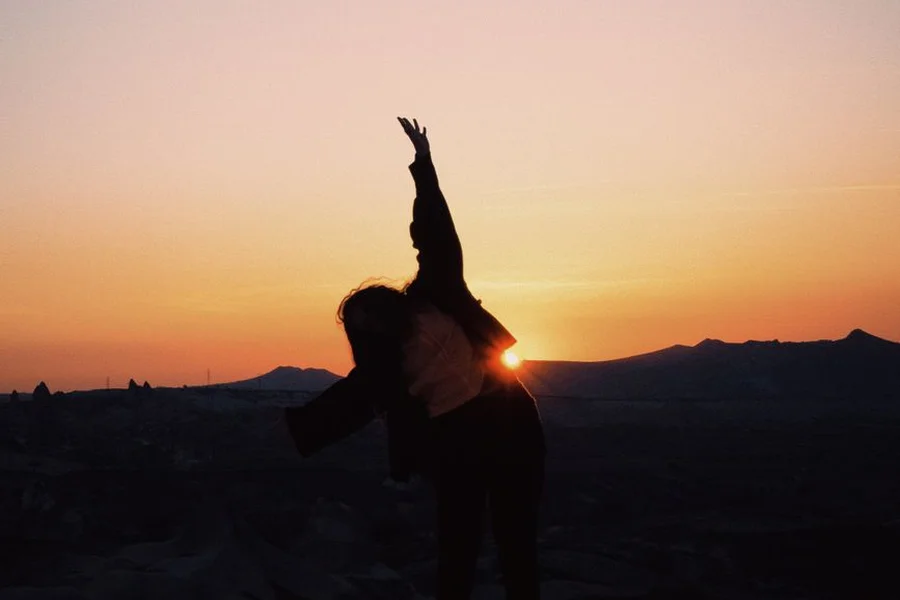
In the practice of yoga, marking major life transitions with physical challenges is a time-honored tradition. Many practitioners gather during the summer solstice, winter solstice, or spring equinox to perform a marathon yoga ritual: 108 sun salutations.
Known in Sanskrit as Surya Namaskar, this repetitive sequence of poses is as much a mental challenge as it is a physical workout. If you are planning to join a community practice or try it at home, preparation is essential. This guide covers the history of this ritual, its physical benefits, and how to safely complete the challenge.
Table of Contents
What Is the Significance of the Number 108 in Yoga?
The significance of the number 108 in yoga stems from ancient Eastern traditions, where it is regarded as a sacred mathematical connection between the Earth, Sun, and Moon. In Vedic astrology, the distance between the Earth and the Sun is roughly 108 times the diameter of the Sun.
Similarly, yoga philosophy states that there are 108 energy channels, or nadis, that meet at the heart chakra. Performing this number of rounds acts as a physical prayer, helping you clear these energy pathways. The number also matches the count of beads on a traditional mala necklace, which is used to count mantras during meditation.
Engaging in regular physical rituals is a wonderful way to improve your well-being. If you are looking to build healthy routines for your household, reading about 5 steps for the whole family to live healthier lives can help you integrate simple physical exercises and wellness habits into your daily schedule.
What Are the Benefits of Practicing 108 Sun Salutations?
The benefits of practicing 108 sun salutations include increased cardiovascular endurance, full-body muscular toning, and deep mental resilience. The rhythmic coordination of breath and movement creates a moving meditation that calms the nervous system.
Because the sequence requires you to move through poses like downward dog, planks, and upward dog repeatedly, it builds strength in your core, shoulders, and legs. Psychologically, pushing through the fatigue teaches you to focus on the present moment and quiet your inner doubts. The practice is highly recommended by veteran instructors at the Yoga Journal for building mental grit.
How Should You Prepare for 108 Sun Salutations?
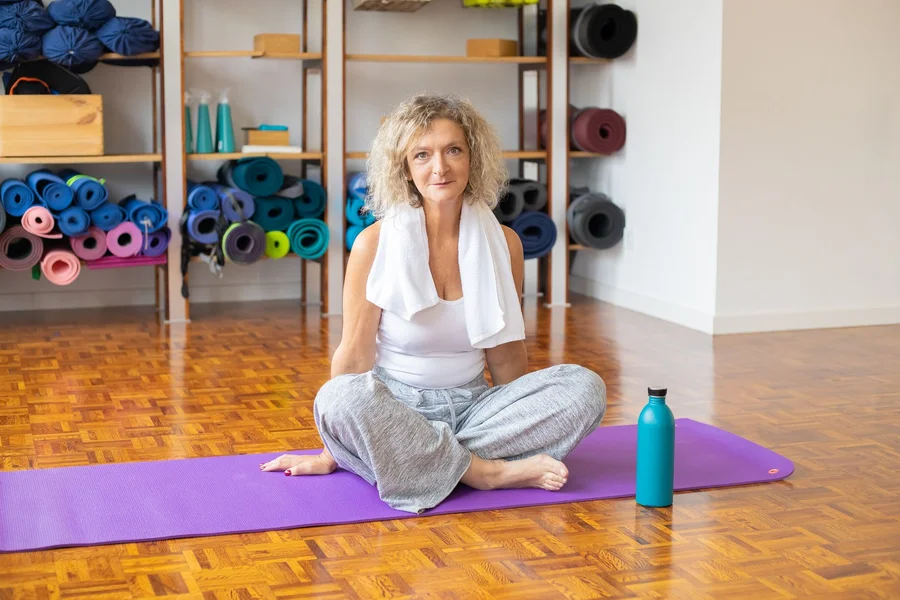
You should prepare for 108 sun salutations by building your physical endurance weeks in advance and learning how to modify poses to protect your joints. Attempting this volume of movement without preparation increases the risk of repetitive strain injuries.
To prepare your joints, practice smaller sequences of 12 to 24 rounds daily leading up to the event. Learning to modify chaturanga by lowering your knees to the mat is vital for preventing wrist and shoulder fatigue as you progress through the session.
Repetitive physical movement can easily lead to minor muscle strains if your form slips during the later rounds. Reviewing guides on common first aid injuries helps you identify early signs of joint strain and understand how to properly rest and ice tired muscles after a heavy workout.
Imagine you are on round 50 and your lower back begins to ache. If you try to push through the pain without modifying your cobra pose, you risk straining your lumbar spine. A common pitfall is viewing the challenge as a race rather than a personal meditation. We recommend taking a break in Child’s Pose whenever your breath becomes shallow or ragged.
We prefer breaking the session down into distinct segments, taking a few sips of water and stretching your wrists after completing each block. To review safety guidelines and find certified instructors, you can visit the official directory on the Yoga Alliance website.
How Do You Keep Track of Your Sets?
You keep track of your sets by dividing the 108 rounds into manageable groups, such as 9 sets of 12 rounds or 4 sets of 27 rounds. Using physical counters like small stones, tally marks, or a mala necklace prevents you from losing count during the practice.
Breaking the session into groups also gives you natural points to pause, catch your breath, and refocus your intention. If you are practicing in a group, the lead teacher will usually ring a chime or change the pace at the start of each new set to help everyone stay aligned.
Once you complete the final round, spending at least ten minutes in savasana, or corpse pose, is essential. This resting period allows your heart rate to return to normal and lets your muscles relax fully after the intense effort.
Frequently Asked Questions About 108 Sun Salutations
How long does it take to do 108 sun salutations?
Typically, completing 108 rounds takes between 60 and 90 minutes, depending on the speed of your breathing and how long you pause between sets.
Can beginners do 108 sun salutations?
Yes, beginners can participate, but they should modify the poses frequently, skip rounds when tired, and rest in Child’s Pose to prevent injury.
What should you eat before the practice?
It is best to practice on an empty stomach. If you need energy, eat a light snack like a banana or toast at least two hours before starting.
Why are they done during the solstice?
Performing the ritual during the winter or summer solstice honors the seasonal shifts in light and serves as a symbolic reset for setting new personal goals.
What is the difference between Sun Salutation A and B?
Sun Salutation A is a shorter, 12-pose sequence. Sun Salutation B is longer and includes warrior one poses and chair poses, which require more leg strength.

Written by Rosella
Rosella is a self-taught digital creator with a passion for breaking down tech, lifestyle, and everyday topics into simple, easy-to-understand content. Based in Youngstown, Ohio, she brings a curious, multi-disciplinary approach to writing, covering everything from the latest tech trends to practical life hacks and personal growth insights.
Her goal is straightforward: take complicated ideas and explain them in a way that actually makes sense, so every reader, whether a total beginner or someone more experienced, walks away having learned something useful. When she’s not writing, you’ll usually find her exploring new tools, sharpening her skills, or spending time with family.
Through this blog, Rosella aims to build a community centered on real, actionable insights rather than fluff, jargon, or filler content.