
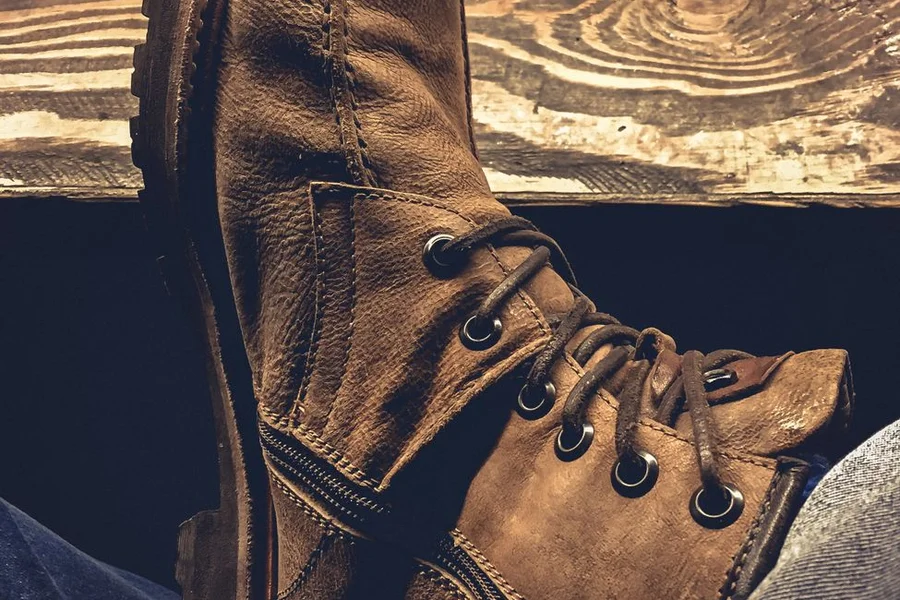
In the world of classic footwear, few silhouettes divide opinion and inspire loyalty quite like the Tyrolean shoe. Characterized by its chunky lug sole, rounded moccasin toe, and rugged Norwegian welt stitching, this Alpine walking shoe has transformed from an outdoor work essential into a menswear staple.
While some describe its bold silhouette as chunky or unconventional, fashion enthusiasts celebrate it for its durability and versatility. Whether you are discovering the iconic Paraboot Michael or exploring modern alternatives, this guide breaks down the history, technical construction, and styling methods of Tyrolean footwear.
Table of Contents
What Are Tyrolean Shoes?
Tyrolean shoes are sturdy, low-cut walking shoes that originated in the mountainous Tyrol region of Austria and Italy, originally engineered for farmers, hunters, and hikers who required weather-resistant footwear for rugged terrain. They feature a distinctive raised apron seam on the toe box and a simple two-eyelet lacing setup.
Unlike sleek dress oxfords or lightweight canvas sneakers, these shoes were built to withstand snow, mud, and rocky trails. Their heavy leather uppers and durable construction make them comfortable for standing and walking all day.
Appreciating classic, durable craftsmanship is similar to embracing retro interior design. If you love timeless designs that stand the test of time, you can browse the best vintage living room ideas to see how mid-century leather materials and traditional textures create an inviting space.
Why Is the Paraboot Michael So Iconic?
The Paraboot Michael is iconic because it introduced the Tyrolean design to the global market in 1945, combining traditional French shoemaking with vulcanized natural latex rubber soles. Named after the founder’s son Michel, it became a favorite of European architects, surveyors, and tradespeople who spent long hours on their feet.
Over the decades, the Michael transitioned from practical French workwear into high fashion, gaining massive popularity in Tokyo, Paris, and New York. Fashion historians at Highsnobiety note that its mix of functional utility and quirky aesthetics makes it one of the most recognizable shoes in contemporary fashion.
What Are the Key Construction Features of Tyrolean Footwear?
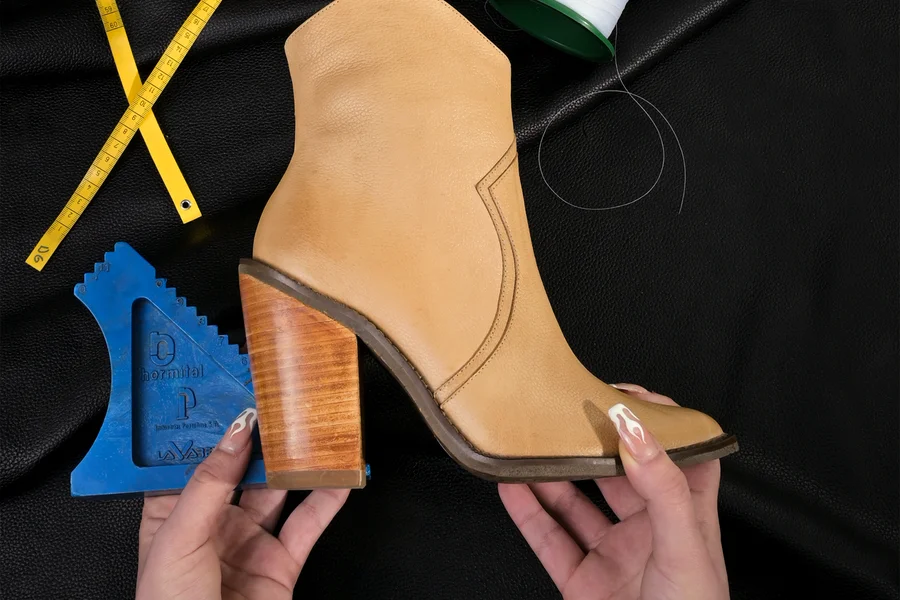
The key construction features of Tyrolean footwear include Norwegian welt stitching, dense natural rubber lug soles, and a roomy, rounded toe box. These technical components work together to provide superior water resistance and long-lasting durability.
Here is what makes this shoe construction stand out from standard footwear:
- Norwegian Welt: This stitching method connects the upper leather horizontally and vertically to the midsole, creating a visible double-stitch row that keeps moisture out.
- Thick Rubber Lug Soles: Instead of stiff leather soles, Tyrolean shoes use heavy-tread rubber outsoles that absorb shock and grip slippery pavements.
- Two-Eyelet Lacing: The minimalist two-eyelet design allows the thick leather upper to flex naturally while still locking your heel in place.
Understanding how outsoles and tread patterns impact traction is equally important in athletic sports. If you want to know how specialized soles protect your joints during active movement, check out our guide on whether you can wear baseball cleats for football to learn about outsole grip differences.
How Do You Style Tyrolean Shoes Today?
You style Tyrolean shoes today by pairing them with relaxed-fit trousers, selvedge denim, corduroy pants, or military cargo fatigues. Their chunky profile pairs naturally with textured fabrics and wider leg openings.
Because the shoes bridge the gap between formal dress shoes and outdoor boots, you can dress them up with an unstructured wool blazer or keep them casual with a heavy flannel shirt. You can view original French production archives and leather options directly on the official Paraboot website.
Imagine styling your outfit for an autumn weekend. If you wear skinny jeans, the wide, rounded toe box can look disproportionately large. A common pitfall is pairing Tyrolean shoes with overly slim or tapered trousers. We recommend opting for straight-leg or wide-cut pants that drape smoothly over the collar of the shoe.
We prefer dark brown or black waxy leather finishes because they develop a rich patina with age and resist rain stains without requiring delicate maintenance.
Frequently Asked Questions About Tyrolean Shoes
Are Tyrolean shoes waterproof?
While not fully submersible like rubber boots, their Norwegian welt construction and waxed leather uppers provide excellent water resistance in rain and light snow.
Can Tyrolean shoes be resoled?
Yes, because they are built with stitched Norwegian or Goodyear welts, a skilled cobbler can replace the rubber lug soles multiple times throughout the life of the shoe.
How should Tyrolean shoes fit?
They generally fit true to size with a generous, rounded toe box, allowing ample room for thick wool socks during colder months.
What is the difference between Tyrolean shoes and wallabees?
While both feature moccasin toes, Tyrolean shoes use heavy-duty lug soles and storm welting, whereas wallabees typically feature soft crepe soles and lightweight suede construction.
Do Tyrolean shoes require a break-in period?
Yes, because they use thick, high-grade leather and stiff rubber soles, they may feel rigid for the first few wears before molding comfortably to your feet.

Written by Rosella
Rosella is a self-taught digital creator with a passion for breaking down tech, lifestyle, and everyday topics into simple, easy-to-understand content. Based in Youngstown, Ohio, she brings a curious, multi-disciplinary approach to writing, covering everything from the latest tech trends to practical life hacks and personal growth insights.
Her goal is straightforward: take complicated ideas and explain them in a way that actually makes sense, so every reader, whether a total beginner or someone more experienced, walks away having learned something useful. When she’s not writing, you’ll usually find her exploring new tools, sharpening her skills, or spending time with family.
Through this blog, Rosella aims to build a community centered on real, actionable insights rather than fluff, jargon, or filler content.