
Spotting a small, fast-crawling insect scurrying across your bathroom tile or kitchen counter is an unsettling experience for any homeowner. In warm, humid climates, you might wonder whether you are dealing with a harmless outdoor garden wanderer or the start of a serious indoor infestation.
Knowing whether that tiny insect is a baby palmetto bug or a German cockroach is essential because each pest requires a completely different treatment plan. While full-grown palmetto bugs are famous for their giant wings, their immature nymph stages look quite different. This guide breaks down baby palmetto bug identification, behavioral habits, and effective elimination strategies.
Table of Contents
What Does a Baby Palmetto Bug Look Like?
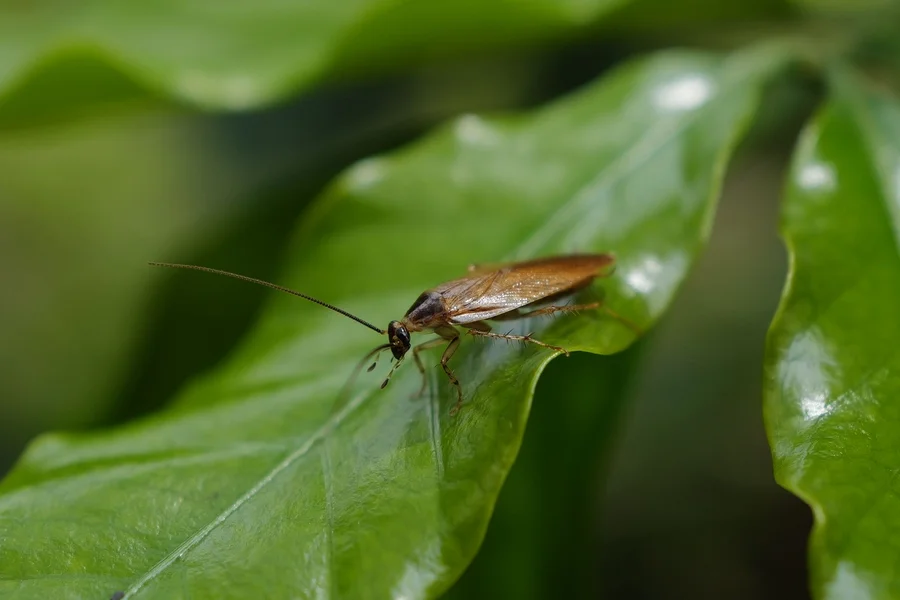
A baby palmetto bug is the wingless nymph stage of the American cockroach (Periplaneta americana) or Florida woods cockroach, measuring between one-quarter inch at hatching to over an inch as it grows. It has a shiny, flat, reddish-brown oval body, long thin antennae, and spiny running legs.
Unlike adult palmetto bugs, nymphs cannot fly because their wings do not fully develop until their final molt. They molt their hard exoskeleton six to thirteen times over several months, appearing pale cream or white for a few hours right after shedding before their outer shell hardens into deep reddish-brown.
Understanding natural pest management techniques helps protect both residential gardens and agricultural fields. If you are interested in eco-friendly pest reduction methods, our review of sustainable farming methods explains how beneficial predatory insects and physical barriers manage bug populations without relying on synthetic chemicals.
How Do You Tell a Palmetto Bug Nymph Apart From a German Cockroach?
You tell a baby palmetto bug apart from a German cockroach by checking its coloring, size, and markings: palmetto bug nymphs are uniformly reddish-brown with rounded bodies, whereas German cockroaches are smaller, lighter tan, and display two dark, parallel vertical stripes running behind their head.
Distinguishing between these two species is critical for your household peace of mind:
- Baby Palmetto Bug (American Cockroach Nymph): Grows from 0.25 to 1.5 inches long, solid mahogany or chestnut brown, prefers outdoor leaf piles, and wanders indoors by accident looking for water.
- German Cockroach (Adult and Nymph): Stays much smaller (around 0.5 inches), features two distinct black racing stripes behind the neck, and nests exclusively indoors near kitchen cabinets and pantry food.
Maintaining a clean, sanitary living space protects your household against allergens and disease vectors carried by crawling insects. If you want to maintain a healthier indoor environment, our guide on tips for keeping your family healthy offers practical routines for deep cleaning, humidity control, and household hygiene.
Why Do Baby Palmetto Bugs Come Inside Your House?
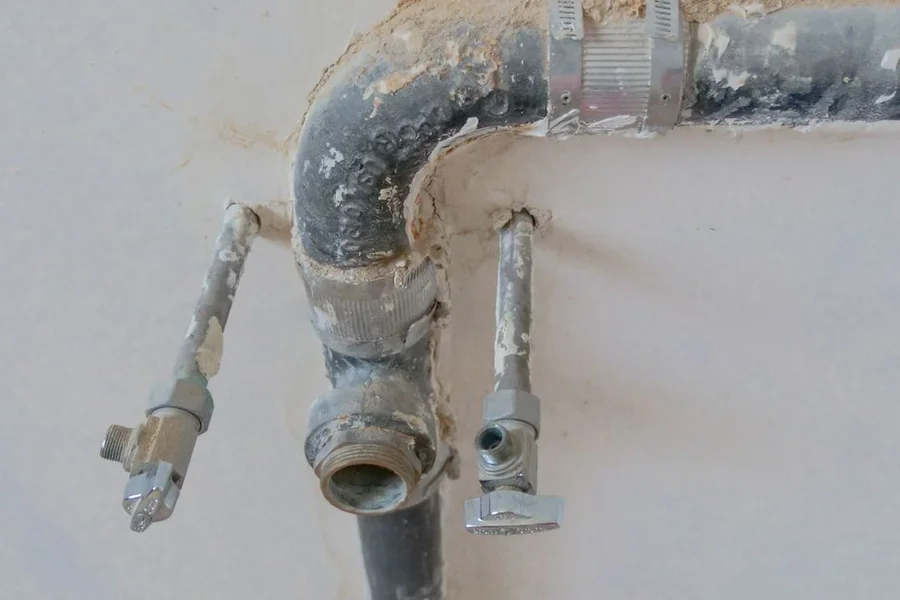
Baby palmetto bugs come inside your house searching for water, warmth, and shelter during periods of heavy rain, extreme heat, or seasonal droughts. They crawl through foundation gaps, damaged door sweeps, weeping vents, and unsealed plumbing pipes under bathroom and kitchen sinks.
In addition, an adult female palmetto bug may have deposited a dark brown egg case (called an ootheca) near your foundation, crawlspace, or basement. Each egg capsule holds 14 to 16 nymphs, which hatch simultaneously and wander indoors if damp mulch or damp firewood rests against your exterior walls. Entomology researchers at the University of Florida Entomology department note that excessive outdoor moisture is the single biggest contributor to roach migration toward residential foundations.
How Do You Get Rid of Baby Palmetto Bugs Safely?
You get rid of baby palmetto bugs by cutting off moisture sources, sealing perimeter entry gaps with silicone caulk, placing sticky glue traps along baseboards, and applying food-grade diatomaceous earth or boric acid dust in dark crawlspaces and under sinks. Because palmetto bugs do not typically establish massive indoor nests, physical exclusion works best.
Imagine finding a single nymph on your bathroom rug at night. Rather than spraying aerosol foggers across your entire house, focus on finding how it entered. A common pitfall is spreading harsh chemical sprays across open countertops where children or pets eat. We recommend placing granular perimeter baits outside in your flowerbeds and using targeted bait stations inside dark utility closets.
We prefer pulling thick pine straw and hardwood mulch at least twelve inches away from exterior brick foundations, as this removes the damp nesting microclimate that baby palmetto bugs thrive in. You can review seasonal exclusion checklists directly on the National Pest Management Association website.
Frequently Asked Questions About Baby Palmetto Bugs
Can baby palmetto bugs fly?
No, baby palmetto bugs cannot fly because their wings are not fully formed until their final adult molt.
Does seeing one baby palmetto bug mean you have an infestation?
Not necessarily, as single nymphs often wander in from outdoor mulch or plumbing drains, though seeing multiple nymphs suggests an egg casing recently hatched nearby.
How big is a newborn palmetto bug?
A newly hatched palmetto bug nymph is about one-quarter inch long, roughly the size of a grain of rice.
Do baby palmetto bugs bite humans?
Baby palmetto bugs rarely bite humans, though their shed skins and droppings can trigger allergies and asthma symptoms in sensitive individuals.
What natural remedies repel baby palmetto bugs?
Diatomaceous earth, boric acid powder, and essential oils like peppermint, eucalyptus, and tea tree oil act as effective natural deterrents around entry points.

Written by Rosella
Rosella is a self-taught digital creator with a passion for breaking down tech, lifestyle, and everyday topics into simple, easy-to-understand content. Based in Youngstown, Ohio, she brings a curious, multi-disciplinary approach to writing, covering everything from the latest tech trends to practical life hacks and personal growth insights.
Her goal is straightforward: take complicated ideas and explain them in a way that actually makes sense, so every reader, whether a total beginner or someone more experienced, walks away having learned something useful. When she’s not writing, you’ll usually find her exploring new tools, sharpening her skills, or spending time with family.
Through this blog, Rosella aims to build a community centered on real, actionable insights rather than fluff, jargon, or filler content.