

Cooking a juicy burger or a crispy grilled cheese sandwich inside a standard microwave usually ends in disappointment. Traditional microwaves heat water molecules inside your food, which steams bread into a soggy mess and turns meat gray and rubbery. The rocket chef turbo grill promises to solve this common kitchen frustration by turning microwave energy into direct searing heat.
Whether you live in a college dorm, travel in a camper van, or want a fast lunch at the office without firing up a stove, microwave grilling pans have become a popular shortcut. In this detailed review and buyer guide, we break down how the pan functions, what foods cook best inside it, how much it costs, and whether it deserves a spot in your kitchen cabinet.
Table of Contents
What Is the Rocket Chef Turbo Grill and How Does It Work?
The rocket chef turbo grill is a specialized microwave-safe cooking pan that uses thermal susceptor technology to absorb electromagnetic waves and convert them into direct contact heat up to 400 degrees Fahrenheit. This heated ceramic nonstick plate sears meat, melts cheese, and crisps bread right inside your microwave without using electric cords.
Unlike plastic microwave steamers that trap moisture, this gadget acts like a miniature cast-iron skillet made specifically for microwave ovens. Beneath the raised grilling ribs sits a ferrite-infused silicone and metal alloy layer. When you start the microwave, this base rapidly absorbs microwave energy and transfers high heat directly to the cooking surface.
The unit comes with a vented dome cover that sits tightly over the pan. This lid blocks grease splatters from dirtying your microwave walls while allowing excess steam to escape through top vents. Because the metal components are shielded with food-grade silicone rims, the pan does not cause sparks or arcing when placed properly in the center of a rotating glass turntable.
What Are the Main Features and Specifications of This Grill Pan?
The pan features a PTFE-free ceramic nonstick grill plate, raised fat-draining ribs, cool-touch silicone side handles, and a splatter-guard vented lid. It measures roughly 10.5 inches across including the handles and sells for $39.99 to $49.99 at major department stores.
Before buying any microwave cookware, you need to check its size against your appliance interior. If a pan hits the walls of a small microwave and stops the turntable from spinning, your food will cook unevenly. Here is a complete look at the product specifications based on our hands-on evaluation.
| Specification | Details |
|---|---|
| Product Type | Microwave-Safe Thermal Crisper and Browning Grill Pan |
| Cooking Surface | Ceramic Nonstick Coating with Raised Grill Ribs |
| Maximum Surface Temperature | Approximately 400°F to 425°F (via thermal base) |
| Outer Dimensions | 10.5 x 8.5 x 3.5 inches (with dome lid on) |
| Capacity | 1 to 2 servings (fits two 4-ounce burger patties or one chicken breast) |
| Cleaning Method | Dishwasher safe (top rack) or warm soapy hand wash |
| Average Retail Price | $39.99 to $49.99 at Walmart, Target, and online retailers |
When comparing kitchen gadgets on the internet, practicing smart online shopping habits helps you avoid knockoff pans that lack proper silicone shielding. Stick to verified retail listings that include the official instruction booklet and recipe chart.
What Foods Cook Best in the Rocket Chef Turbo Grill?
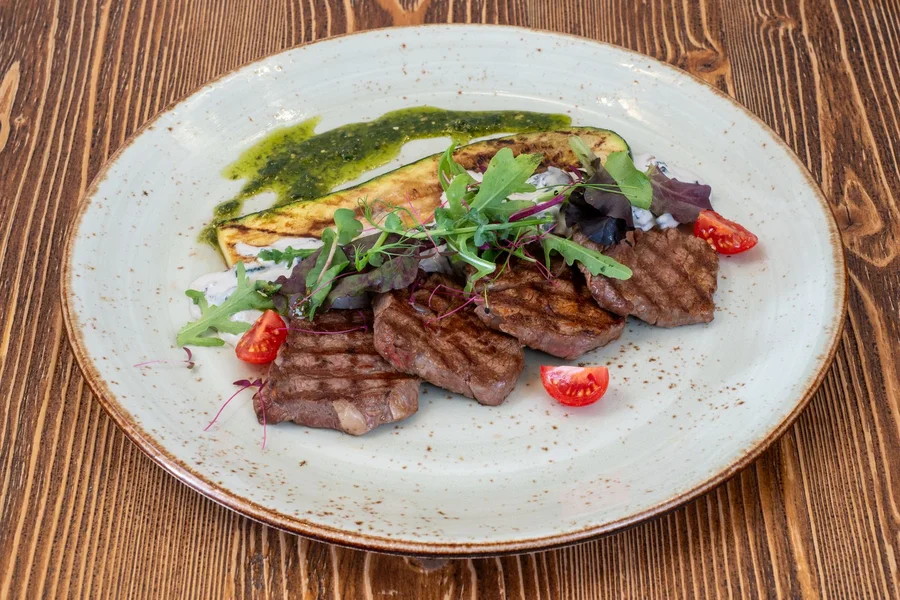
Thin cuts of protein and pressed sandwiches perform best, including boneless chicken breasts, salmon fillets, burgers, bacon, fajita vegetables, and grilled cheese sandwiches. Leftover pizza and frozen chicken tenders also crisp up well without turning chewy.
During our kitchen testing, we found that thickness plays a huge role in how well food turns out. Because the microwave cooks the inside of the food while the heated plate sears the outside, items that are half an inch to three-quarters of an inch thick finish cooking at the exact same moment the exterior browns.
How Do You Cook Burgers and Steaks Without Overcooking Them?
To get distinct sear marks on beef patties or sirloin strips, preheat the empty dry pan in the microwave for 90 seconds before adding your meat. Season your meat with salt, pepper, and a light brush of oil, then press it firmly onto the hot ribs. If you enjoy preparing charred steak and taco fillings at home, slicing skirt steak into thin strips with bell peppers and onions produces tender fajitas in under five minutes.
Can You Make Crispy Grilled Cheese and Paninis?
Pressed sandwiches are where the rocket chef turbo grill truly shines. Butter both outer slices of bread, place cheddar or mozzarella in the middle, and set the sandwich onto the grill plate. Flip it halfway through the three-minute cook cycle so both sides get golden-brown crunch without needing a separate panini press.
| Food Item | Preheat Time | Side 1 Time (1000W) | Side 2 Time (1000W) |
|---|---|---|---|
| Grilled Cheese Sandwich | 60 seconds | 90 seconds | 60 seconds |
| Beef Burger Patty (4 oz) | 90 seconds | 2.5 minutes | 2 minutes |
| Boneless Chicken Breast (6 oz) | 90 seconds | 3.5 minutes | 3 minutes |
| Salmon Fillet (6 oz) | None | 2.5 minutes | 1.5 minutes |
| Fresh Asparagus or Peppers | None | 2 minutes | 1.5 minutes |
Always verify that poultry and ground meats reach safe internal temperatures before eating. According to the USDA safe minimum cooking temperature guidelines, ground beef should reach 160°F and all chicken cuts must hit 165°F on an instant-read food thermometer.
What Are the Pros and Cons of the Rocket Chef Turbo Grill?
The biggest advantages are fast cooking times, zero smoke, effortless dishwasher cleanup, and true contact browning inside a microwave. The main drawbacks are its small single-serving capacity, lack of smoky charcoal flavor, and a brief learning curve to match your microwave wattage.
No kitchen tool is perfect for every household. If you cook dinner for a family of five every night, a small microwave pan will feel too cramped. However, for solo diners and tight quarters, the trade-offs make sense.
What Do Users Like Most About It?
- Real Browning Action: It actually crisps bread, bacon, and skinless chicken instead of steaming them into rubber.
- Dorm and RV Friendly: Because it requires no plug of its own, it is allowed in college dorms and motel rooms that ban hot plates and toaster ovens.
- Minimal Splatter: The vented cover keeps grease inside the pan, saving you from scrubbing the roof of your microwave.
- Fast Cleanup: Burnt cheese and meat drippings wipe right off the ceramic nonstick ribs with a soft sponge.
What Are the Limitations to Keep in Mind?
- Small Portion Size: You can only cook one large chicken breast or two small burgers at a time.
- No Outdoor Smoke Flavor: While it leaves sear marks, it cannot replicate the wood or charcoal aroma of an outdoor backyard barbecue.
- Wattage Differences: A 700-watt dorm microwave takes nearly twice as long to heat the pan as a 1200-watt built-in kitchen microwave.
How Do You Use and Clean the Grill Pan Safely?
Always use oven mitts when pulling the pan out of the microwave, never use metal forks or knives on the ceramic surface, and let the pan cool completely before submerging it in dishwater.
Even though the silicone side rims absorb less energy than the bottom plate, heat transfers quickly across the pan during a five-minute cook cycle. Grabbing the handles with bare hands can cause burns, so keep a pair of silicone potholders nearby. Furthermore, follow the FDA microwave oven safety guidelines by inspecting your cookware regularly and never operating a damaged microwave door.
To preserve the nonstick coating for years, flip your food using silicone, wooden, or heat-resistant nylon tongs. After eating, wait 10 minutes for the thermal base to cool down. Plunging a scorching-hot pan into cold tap water can warp the metal base and weaken the ceramic finish.
Frequently Asked Questions About the Rocket Chef Turbo Grill
Is it safe to put metal inside the microwave with this pan?
Yes, the pan is specifically engineered for microwave use. Its specialized metal alloy is completely encased and shielded by thick, food-grade silicone edges that prevent electrical arcing or sparks against your microwave walls.
Why is my food not browning on the grill ribs?
If your food comes out pale, try preheating the empty pan in the microwave for 60 to 90 seconds before placing your ingredients inside. Also make sure you pat wet meats dry with a paper towel so surface water does not steam the food.
Will the Rocket Chef Turbo Grill fit inside a compact 0.7 cubic foot microwave?
Measure your microwave interior width and turntable diameter before ordering. You need at least 11 inches of horizontal clearance so the rectangular handles can spin a full 360 degrees without catching on the door or walls.
Can I use cooking spray on the ceramic nonstick surface?
Avoid aerosol propellant cooking sprays because the chemical additives can bake onto ceramic coatings and leave a sticky residue over time. Instead, brush a few drops of olive oil, avocado oil, or melted butter directly onto your food.
How does it compare to a countertop electric George Foreman grill?
An electric contact grill heats both the top and bottom plates simultaneously using a wall outlet, whereas the rocket chef turbo grill heats from the bottom plate while microwave energy cooks the center of the food. The microwave pan is easier to wash in the sink since it has no electrical cord or attached heating elements.
Final Verdict: Is the Rocket Chef Turbo Grill Worth Buying?
The rocket chef turbo grill delivers on its promise to bring crisp textures and browned sear marks to microwave cooking. While it will not replace a backyard charcoal grill or a large family skillet, it is a smart, space-saving tool for college students, RV travelers, office workers, and anyone cooking single-serve meals in minutes.

Written by Rosella
Rosella is a self-taught digital creator with a passion for breaking down tech, lifestyle, and everyday topics into simple, easy-to-understand content. Based in Youngstown, Ohio, she brings a curious, multi-disciplinary approach to writing, covering everything from the latest tech trends to practical life hacks and personal growth insights.
Her goal is straightforward: take complicated ideas and explain them in a way that actually makes sense, so every reader, whether a total beginner or someone more experienced, walks away having learned something useful. When she’s not writing, you’ll usually find her exploring new tools, sharpening her skills, or spending time with family.
Through this blog, Rosella aims to build a community centered on real, actionable insights rather than fluff, jargon, or filler content.