
When your bench press progress stalls, standard workout splits often fail to provide the training volume needed to spark new strength gains. That is where high-frequency specialization routines like the Smolov bench program come into play.
Adapted from the legendary Russian squat system designed by Sergey Smolov, the Smolov Jr. bench routine is a condensed three-week peaking cycle. It packs over 130 heavy bench press repetitions into each training week, pushing your nervous system to adapt quickly. This guide covers the weekly workout layout, percentage breakdowns, and essential recovery rules.
Table of Contents
What Is the Smolov Bench Program?
The Smolov bench program, commonly known as Smolov Jr., is an intense three-week powerlifting peaking routine that requires you to bench press four times per week using escalating weights and varying rep ranges. It is designed to add 15 to 25 pounds to your one-rep max in a short timeframe.
Because the training frequency is so concentrated, the program relies on the principle of planned overreaching followed by supercompensation. After three brutal weeks of heavy pressing, lifters take a full week of rest or light recovery before testing their new max lift.
Committing to intense physical training requires balance in your everyday lifestyle. If you want to maintain long-term physical wellness while managing challenging workouts, exploring 5 steps for the whole family to live healthier lives provides simple strategies for wholesome nutrition, restful sleep, and consistent daily movement.
How Do the Weekly Sets and Reps Progress?
The weekly sets and reps progress through four distinct training days each week, moving from moderate-volume sub-maximal weights on Monday to heavy triples on Saturday. In weeks two and three, you add five to ten pounds to every single workout.
Here is the exact workout layout used throughout the three-week cycle:
- Day 1 (Monday): 6 sets of 6 reps at 70 percent of your true one-rep max.
- Day 2 (Wednesday): 7 sets of 5 reps at 75 percent of your one-rep max.
- Day 3 (Friday): 8 sets of 4 reps at 80 percent of your one-rep max.
- Day 4 (Saturday): 10 sets of 3 reps at 85 percent of your one-rep max.
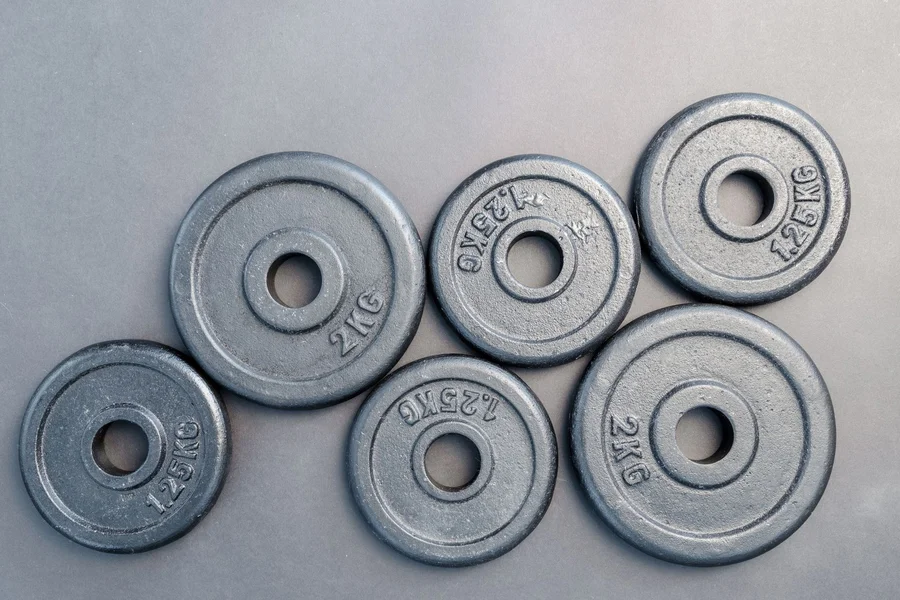
In week two, add 5 to 10 pounds (2.5 to 5 kg) to all four sessions. In week three, add another 5 to 10 pounds on top of your week two numbers. Strength analysts at BarBend emphasize that using an accurate, conservative starting max is key to completing every set without failing.
What Are the Rules for Recovery and Nutrition?
The rules for recovery and nutrition require eating in a caloric surplus, prioritizing eight hours of nightly sleep, and eliminating extra upper-body accessory exercises like overhead presses or heavy dips. If your recovery falls behind, your shoulders and elbows will quickly become inflamed.
Because you are loading your pectoral tendons and rotator cuffs four times a week, soft tissue care is non-negotiable. Performing light band pull-aparts, foam rolling your upper back, and icing tender joints keeps inflammation under control.
Ignoring joint discomfort during high-frequency cycles can quickly result in tendonitis or muscle tears. Reading our guide on common first aid injuries helps athletes spot the warning signs of muscle strain early so they can apply ice and compression before an injury becomes chronic.
Who Should and Should Not Run This Routine?
The Smolov bench program is built for intermediate and advanced lifters with at least two years of consistent lifting experience and clean benching form. It is not suitable for beginners, individuals recovering from shoulder injuries, or anyone currently eating in a weight-loss calorie deficit.
Imagine loading the bar for Saturday’s 10 sets of 3 reps during week three. If your setup is sloppy or your bar path wanders, the accumulated fatigue will cause you to miss reps. A common pitfall is letting ego dictate your starting numbers. We recommend calculating your working percentages using 90 to 95 percent of your true gym max to ensure you finish the entire cycle without burning out.
We prefer saving this routine for meet preparation or dedicated winter peaking phases rather than running it back-to-back. You can read user training logs and meet preparation tips directly on Powerlifting Watch.
Frequently Asked Questions About Smolov Bench
How much can you increase your bench with Smolov Jr.?
Most lifters who complete the three weeks and take a proper deload week see a 10 to 25 pound increase in their one-rep max bench press.
Can you do shoulder presses while running Smolov?
No, you should drop heavy overhead pressing and dips while running this cycle to avoid overloading your anterior deltoids and triceps.
What should you do during the deload week?
During the fourth week, rest completely for the first three days, perform one very light workout (around 50 percent intensity) on Thursday, and test your new max on Saturday or Sunday.
Is the Smolov bench program good for muscle growth?
While the high volume does trigger some chest and tricep hypertrophy, the program is primarily engineered for neurological strength peaking rather than pure bodybuilding.
How often can you run the Smolov bench cycle?
Because of the severe joint and nervous system fatigue, you should run this program no more than two or three times per year, with standard training blocks in between.

Written by Rosella
Rosella is a self-taught digital creator with a passion for breaking down tech, lifestyle, and everyday topics into simple, easy-to-understand content. Based in Youngstown, Ohio, she brings a curious, multi-disciplinary approach to writing, covering everything from the latest tech trends to practical life hacks and personal growth insights.
Her goal is straightforward: take complicated ideas and explain them in a way that actually makes sense, so every reader, whether a total beginner or someone more experienced, walks away having learned something useful. When she’s not writing, you’ll usually find her exploring new tools, sharpening her skills, or spending time with family.
Through this blog, Rosella aims to build a community centered on real, actionable insights rather than fluff, jargon, or filler content.