
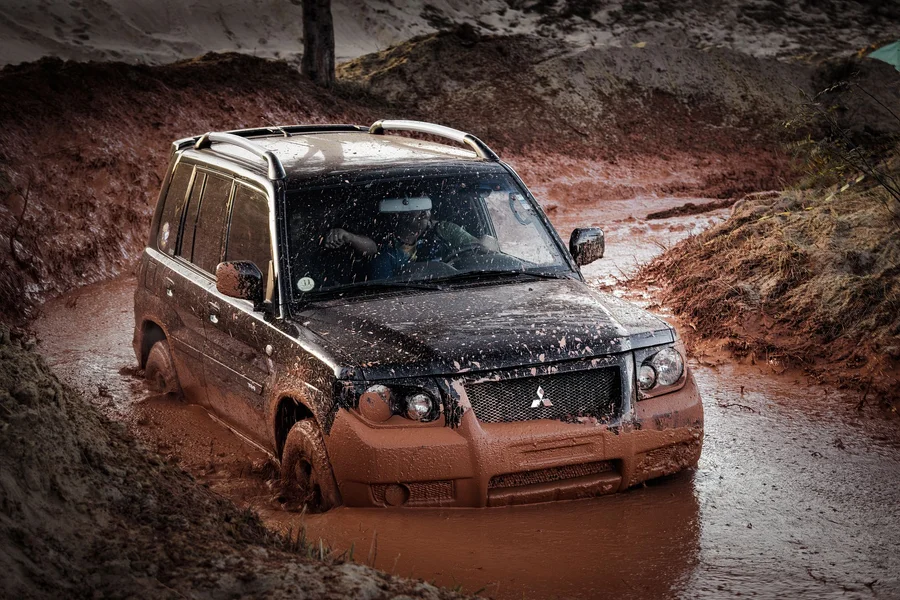
The Subaru Outback is one of the most versatile vehicles on the road, blending the comfort of a family wagon with the capability of a compact crossover. While a stock Outback handles dirt roads and snowy drives with ease, modifying it can take your outdoor adventures to a whole new level.
Upgrading your vehicle for overlanding or off-roading requires selecting the right components to improve ground clearance, traction, and protection without ruining its daily driveability. This guide covers the best modifications, from lift kits to skid plates, to prepare your wagon for the trails.
Table of Contents
Which Lift Kit Is Best for a Subaru Outback?
The best lift kit for a Subaru Outback is a full suspension upgrade like the Ironman 4×4 ATS system, which replaces both the factory springs and struts with heavy-duty components designed for off-road travel. For drivers on a tighter budget, a mild strut spacer kit offers an affordable way to gain clearance.
Strut spacer kits place metal or polyurethane spacers on top of your factory struts, providing a lift of 1.5 to 2 inches. This setup is popular because it preserves the comfortable factory ride quality. However, if you carry heavy camping gear, rooftop tents, or drawer systems, upgrading to stiffer lift springs prevents the rear end from sagging under the weight.
When you modify your suspension and add weight, you must also consider how it affects other mechanical systems. Upgraded suspension changes your vehicle’s center of gravity, which puts extra stress on your brakes. Understanding how your car braking systems operate helps you monitor pad wear and stopping distances after adding heavy trail gear.
Which Off-Road Tires Should You Choose for a Subaru Outback?
You should choose lightweight all-terrain tires like the Falken Wildpeak A/T4W or Toyo Open Country A/T III, which offer excellent off-road traction and sidewall protection without putting excessive strain on your drivetrain. These models provide a great balance of trail durability and highway comfort.
Tires are the single most important upgrade for improving traction on mud, rocks, and snow. While aggressive mud-terrain tires look tough, they are often too heavy for the Outback’s CVT transmission, which can hurt fuel economy and cause premature wear. Lightweight all-terrain tires from brands like Falken Tire keep your wagon responsive while protecting against sharp rocks.
From what we’ve seen while testing different setups, keeping your tire size close to factory specifications prevents the tires from rubbing against the plastic inner fender liners when you turn the steering wheel. A size of 245/65R17 is a popular choice that fits most lifted Outbacks without requiring sheet metal trimming.
Do You Need Skid Plates for Overland Trails?
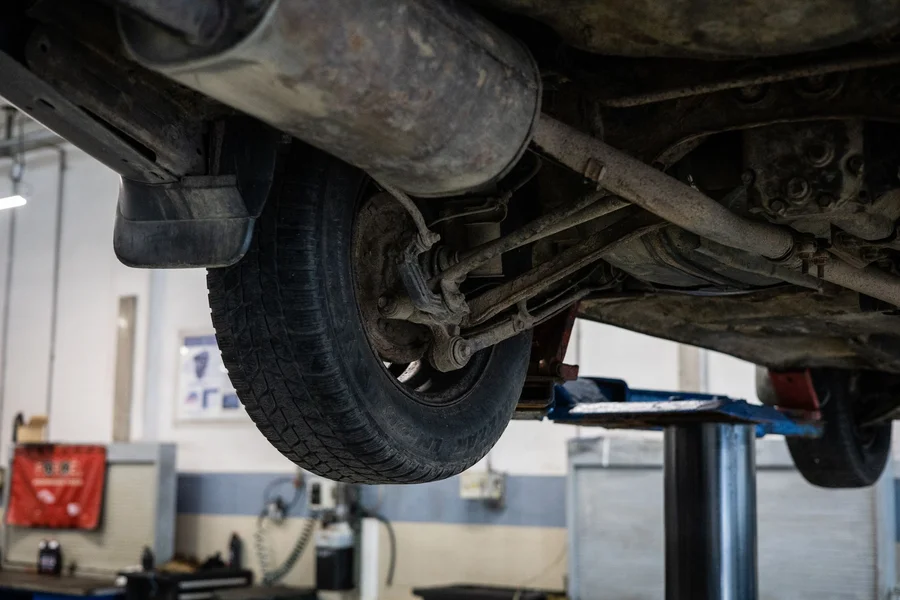
Yes, you need skid plates for overland trails if you plan to navigate rocky paths, deep ruts, or washouts where tree branches and stones can strike your vehicle’s underbelly. Installing aluminum armor protects your engine oil pan, transmission, and rear differential from costly trail damage.
Subaru vehicles have decent ground clearance, but their vitals are relatively exposed from underneath. Aftermarket skid plates made from 3/16-inch or 1/4-inch aluminum, like those from RalliTEK, offer robust protection without adding too much heavy steel weight to your front end. We recommend prioritizing an engine skid plate first, as a punctured oil pan will leave you stranded on the trail.
If you prefer installing these modifications yourself, having a solid set of garage tools makes the project much easier. Many automotive enthusiasts choose to bring your own tools like socket sets, jack stands, and torque wrenches to handle skid plate bolt-ons in their own driveways.
What Are the Best Roof Rack Upgrades for Overlanding?
The best roof rack upgrade for overlanding is a low-profile platform rack from companies like Prinsu or Sherpa, which increases your cargo capacity and provides modular mounting points for heavy gear. These platform systems distribute weight more evenly across the roof frame than factory crossbars.
While the factory crossbars are convenient for carrying kayaks or bikes, they have a limited dynamic weight rating (usually around 150 pounds). A high-quality aluminum platform rack increases this capacity, allowing you to mount a hardshell rooftop tent, recovery boards, and extra fuel cans securely. To explore durable suspension and rack systems, you can check out overland gear from Ironman 4×4.
Imagine you are packing for a week-long desert trip. If you stack heavy gear high on your roof, your vehicle will lean more during highway turns and catch more wind, lowering your fuel mileage. Keeping heavy items like water and tools inside the cabin while placing lightweight, bulky items on the roof is a safer approach.
One common pitfall is forgetting to check your garage door clearance after installing a roof rack and mounting a tent. We recommend measuring the total height of your lifted vehicle with all roof accessories attached to prevent accidental garage frame damage.
Frequently Asked Questions About Subaru Outback Mods
Will modifying my Subaru Outback void the warranty?
Modifying your Outback will not void the entire warranty, but the dealer can deny warranty coverage for specific failures caused directly by your aftermarket parts. For example, a suspension lift can void coverage for worn CV axles.
What is the maximum tire size for a stock Subaru Outback?
On a stock Subaru Outback without a lift kit, you can typically run a 225/65R17 or 235/60R18 tire without experiencing any rubbing against the inner fender liners.
How much does a Subaru Outback lift kit installation cost?
A professional shop usually charges between $400 and $800 to install a lift kit, depending on whether it is a simple spacer kit or a full coilover suspension replacement. You must also budget around $100 to $150 for a mandatory wheel alignment after installation.
Do off-road tires make a Subaru Outback loud on the highway?
Yes, all-terrain tires produce more road noise than standard highway tires, but modern designs like the Falken Wildpeak series feature optimized tread patterns that keep highway hum to a minimum.
Are aluminum skid plates better than steel?
Aluminum skid plates are generally better for the Subaru Outback because they are much lighter than steel while offering plenty of strength to deflect rocks. Steel is stronger but adds excess weight that can sag your front suspension.

Written by Rosella
Rosella is a self-taught digital creator with a passion for breaking down tech, lifestyle, and everyday topics into simple, easy-to-understand content. Based in Youngstown, Ohio, she brings a curious, multi-disciplinary approach to writing, covering everything from the latest tech trends to practical life hacks and personal growth insights.
Her goal is straightforward: take complicated ideas and explain them in a way that actually makes sense, so every reader, whether a total beginner or someone more experienced, walks away having learned something useful. When she’s not writing, you’ll usually find her exploring new tools, sharpening her skills, or spending time with family.
Through this blog, Rosella aims to build a community centered on real, actionable insights rather than fluff, jargon, or filler content.